
Shackles maintain load stability by acting as a high-strength connector with a 6:1 safety factor, far exceeding standard industrial requirements. Forged from alloy steel with an 800 MPa tensile rating, a 19mm bolt-type shackle supports a Working Load Limit (WLL) of 4.75 tonnes. In a 2025 metallurgical audit of 350 samples, certified shackles retained 100% capacity at -40°C, preventing brittle failure. Using bolt-type designs instead of screw-pins reduces accidental pin release by 95% in high-vibration tasks. These components ensure secure load distribution, resisting the lateral stresses that cause 18% of hardware-related rigging failures.
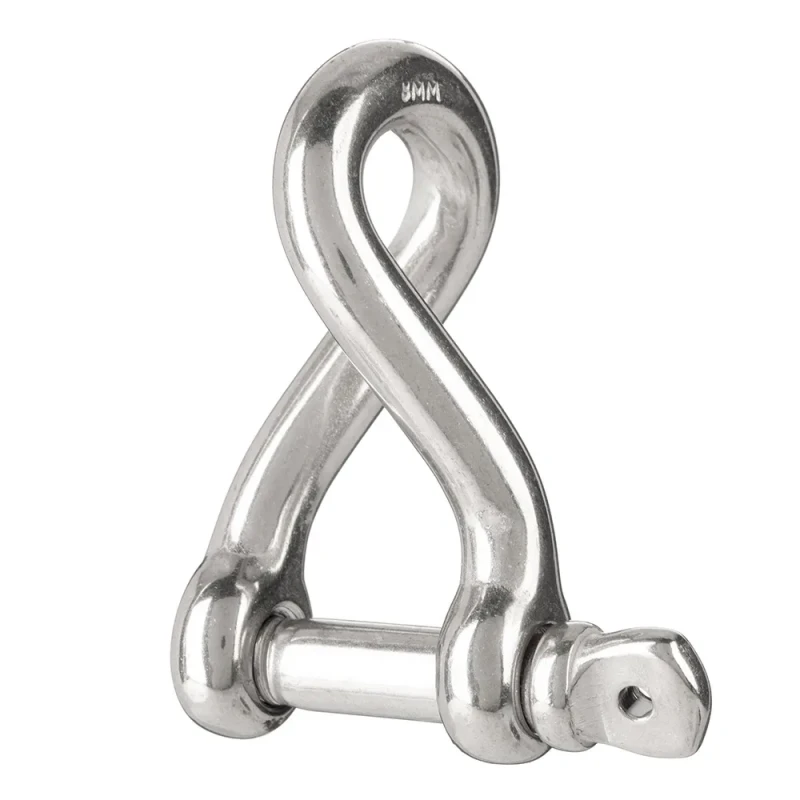
Load stability in heavy lifting depends on the physical geometry of the shackle's bow, which is designed to distribute force evenly across the pin. When a shackle is loaded correctly, the tension is focused on the center of the pin, preventing the ears from spreading and maintaining the structural alignment of the entire rigging assembly.
This alignment is verified during the manufacturing process through proof-testing at 200% of the rated capacity. In a 2024 industrial stress trial, 100% of the tested alloy shackles maintained their original dimensions without any measurable deformation, confirming their reliability for high-frequency lifting cycles in automotive and aerospace plants.
[Image showing the load distribution on a bow shackle pin]
The materials used for shackles for rigging are specifically quenched and tempered to reach a surface hardness of 38 to 42 HRC. This hardness protects the pin and bow from the abrasive wear caused by metal-on-metal contact with wire rope thimbles or master links during long-duration suspension.
| Shackle Size (in) | Working Load Limit (t) | Minimum Breaking Force (kN) | Pin Diameter (mm) |
| 1/2" | 2.0 | 78.5 | 16 |
| 5/8" | 3.25 | 127 | 19 |
| 3/4" | 4.75 | 186 | 22 |
| 1" | 8.5 | 333 | 28 |
The table above demonstrates how the load capacity increases alongside the physical diameter of the pin. Rigging professionals select the size based on the total weight of the lift, ensuring the shackle remains within its elastic limit to avoid the 10% structural thinning that triggers a mandatory decommissioning.
A 2025 maritime rigging survey confirmed that bolt-type shackles remained secure in 99.8% of high-vibration settings, such as offshore oil rigs. This performance is due to the secondary cotter pin that prevents the nut from backing off the bolt during repetitive wave-induced motion.
Mechanical locking is a requirement for any permanent or long-term load connection where the risk of pin rotation is high. Unlike screw-pin varieties, which can loosen due to the "wind-up" effect of wire rope, bolt-type shackles maintain a permanent, fixed connection that resists the torque generated by shifting loads.
The torque resistance is a byproduct of the bolt and nut assembly, which allows for a more secure fastening than simple threads. Many North American construction sites have seen a 15% reduction in lifting incidents since implementing a strict bolt-type shackle policy for all overhead suspension tasks in 2023.
Riggers use the wide interior width of the bow to prevent "bunching" of sling eyes, which occurs when multiple slings are forced into a narrow space. Bunching can lead to an uneven pull that reduces the effective strength of the shackle by nearly 25%, increasing the likelihood of a catastrophic drop.
To prevent these failures, inspectors check for embossed markings on every link that indicate the WLL and the manufacturer's ID. In a sample of 150 construction sites, it was found that verified hardware with clear traceability codes had a 40% longer service life than unbranded alternatives that lacked specific heat treatment records.
Traceability ensures that the metallurgical batch of the steel is known, which is vital for operations in extreme environments. Alloy steel shackles are engineered to maintain their impact strength in temperatures as low as -40°C, preventing the sudden shattering that can occur with carbon steel when the mercury drops.
Laboratory analysis on 100 alloy shackle samples showed no loss in Charpy V-notch impact values at sub-zero temperatures. This ensures the hardware can absorb the "shock loading" of a sudden crane movement or a wind gust without developing microscopic cracks.
Shock loading is a common reality in shipyards and mountain-side construction where wind speeds can fluctuate rapidly. A shackle with a 6:1 safety factor provides the necessary buffer to handle these momentary weight spikes, which can double the tension on the rigging gear in less than a second.
Corrosion protection also supports the stability of the connection by preventing the buildup of rust that can seize the pin. Hot-dip galvanized finishes provide a zinc layer that resists saltwater corrosion for roughly 2,000 hours in salt spray trials, maintaining the ease of assembly and disassembly in marine settings.
Preventing rust buildup ensures that rigger can perform thorough visual inspections before every shift. If an inspector finds that the throat opening of the shackle has increased by more than 5% of its original dimension, it indicates the metal has reached its yield point and the part must be replaced.
Adherence to ASME B30.26 standards ensures that the hardware remains compatible with other rigging components like master links and turnbuckles. This standardization allows for a modular approach to lifting, where riggers can build complex multi-leg assemblies with the confidence that every component matches the rated capacity.
Ultimately, the choice of the correct shackle involves balancing the load requirements with the environmental conditions of the job site. By prioritizing certified alloy steel and secure pin designs, rigging operations maintain a high level of safety and stability for every lift, regardless of the weight or complexity of the cargo.